Ponding Water on Your EPDM Roof: When It's a Problem and How to Fix It
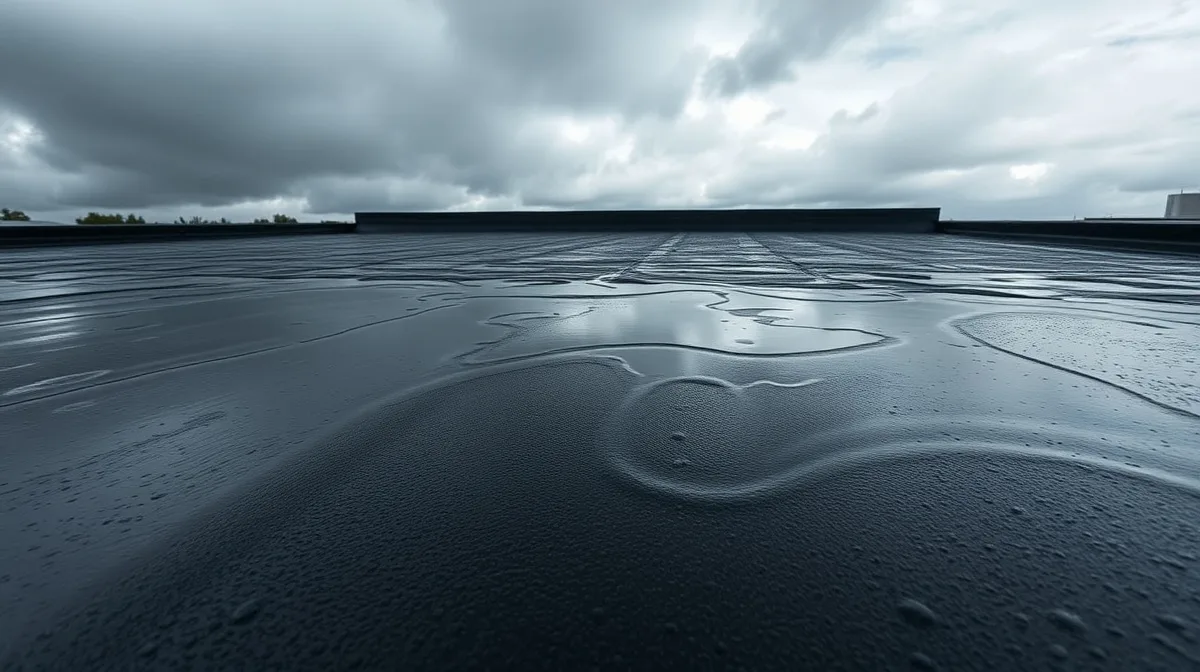
Walk any flat commercial roof after a hard rain and you'll probably find at least one low spot holding water. That alone isn't cause for alarm - almost every low-slope membrane roof has some minor surface irregularity. The question that actually matters for a property manager or building owner isn't whether water collects, it's how long it stays and what it's doing to the membrane underneath while it sits there.
The 48-Hour Rule: What "Normal" Drainage Looks Like
The commercial roofing industry works from a widely used benchmark: a properly draining low-slope roof should shed standing water within 48 hours of a rain event. Water that clears within that window is doing what it's supposed to do - running off toward drains or scuppers along the roof's designed slope. Water that's still sitting on day three, day five, or permanently is telling you the drainage system, the roof's slope, or both aren't working the way they were designed to.
The 48-hour figure isn't an arbitrary number. It reflects how long EPDM membrane and the insulation beneath it can tolerate saturation before the exposure starts doing measurable damage. Short of that window, ponding is a housekeeping item. Past it, on a repeated or permanent basis, it becomes a maintenance priority.
Why Ponding Water Damages EPDM Membrane
EPDM is a durable rubber membrane, but it isn't designed to sit under a permanent puddle indefinitely. Standing water changes the conditions the membrane is exposed to in a few specific ways, and each one compounds the others over time.
- UV concentration - water acts like a lens, intensifying UV exposure on the membrane beneath the pond rather than diffusing it the way a dry, sloped surface does.
- Membrane softening - prolonged saturation gradually softens the rubber compound, making it more vulnerable to punctures and accelerated wear at seams within the pond area.
- Added structural load - water is heavy, and a pond that never fully drains adds weight to the deck between every rain event, not just during it.
- Insulation saturation - if a nearby puncture or seam is compromised, a permanent pond gives water far more opportunity to reach the insulation layer below.
None of this causes a roof to fail overnight - the damage is cumulative. A pond that's been sitting in the same spot for three or four years is a very different problem than one that showed up after last week's storm, even if both look the same from the ground.
How to Visually Assess Ponding Severity
You don't need instruments to get a reasonable first read on how serious a ponding area is. A few things to look at during a routine walk of the roof:
- Duration - is this puddle from today's rain, or has it been a fixture every time you've walked the roof for the past year?
- Depth and footprint - a thin sheen over a few square feet is a lower priority than a pond that's an inch or more deep and covers a meaningful share of the roof.
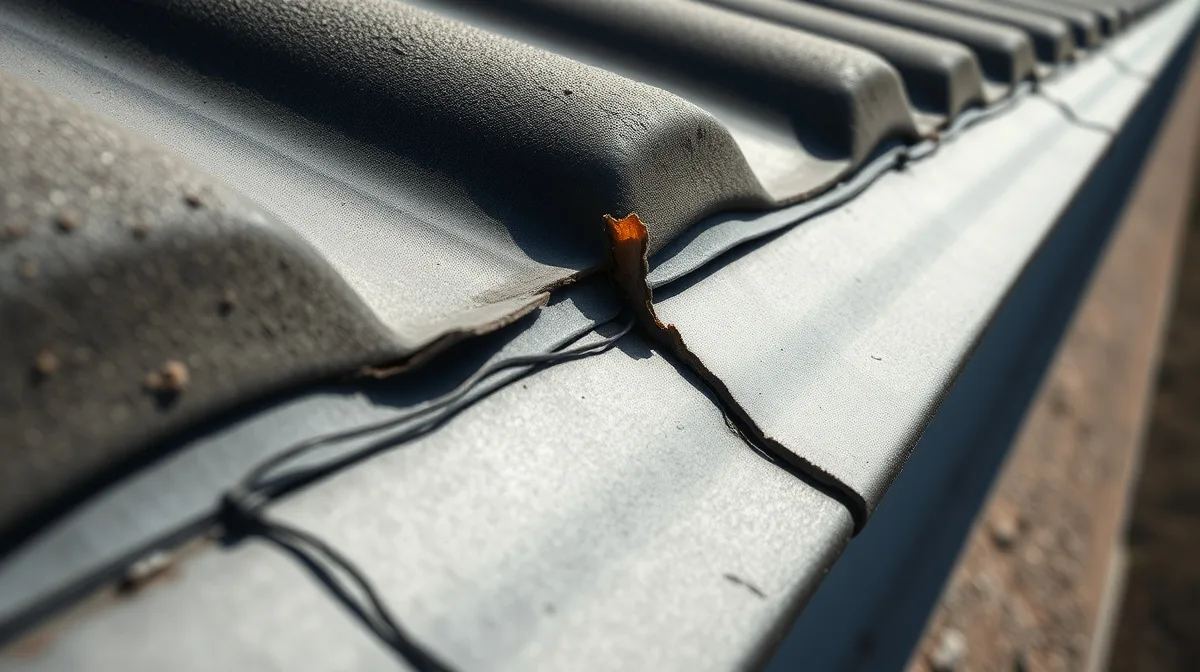
- Membrane condition inside the pond - look for discoloration, a chalky surface texture, softness underfoot, or seam lifting at the pond's edges.
- Debris and algae growth - staining, algae, or moss in a low spot is a strong sign water sits there long enough, and often enough, to exceed the 48-hour window.
- Deck deflection - a low spot getting visibly deeper year over year may mean the deck itself is sagging under sustained load.
Fixing the Drainage Problem: Your Options
When a pond is chronic, growing, or showing signs of membrane stress, the real fix is correcting drainage rather than repeatedly patching the symptoms. There are three standard approaches, and which one makes sense depends on the roof's layout, structure, and how widespread the problem is.
Tapered Insulation
Tapered insulation systems replace flat insulation board with panels cut at a slight, engineered slope, re-grading the roof surface so water is directed toward existing drains instead of collecting in a low spot. This is typically the most thorough fix for a widespread or persistent ponding condition, since it corrects the underlying slope rather than working around it.
Additional Roof Drains
Sometimes a roof simply doesn't have enough drainage capacity for its size and layout, or rooftop equipment added after the original build changed how water moves across the surface. Adding a drain or scupper closer to a chronic low spot can resolve ponding without re-grading the whole roof - a targeted option when the problem is isolated to one area with a clear path to a new outlet.
Crickets
A cricket is a small built-up ridge, usually installed behind rooftop units, curbs, or parapet walls, that diverts water around an obstruction instead of letting it pool against it. Ponding that collects on the upslope side of HVAC equipment or a wall is a classic cricket scenario - the fix is localized and doesn't require touching the rest of the roof's drainage plan.
When a Simple Patch Repair Is Enough
Not every pond needs a drainage correction. If a low spot is minor, drains within a reasonable window most of the time, and the membrane inside it still looks and feels sound, a straightforward patch or seam repair addressing any localized damage may be all that's needed - paired with keeping drains and scuppers clear of debris so the water that is draining continues to do so efficiently. The deciding factors are the same ones that guide most EPDM repair-vs-replace decisions: how long the condition has existed, how much of the roof it affects, and what condition the membrane and insulation are in underneath it. A five-minute visual check rarely settles that on its own, which is why an inspection is worth the time before deciding which path to take.
Frequently asked questions
No. Minor pooling that drains within about 48 hours of a rain event is normal on most low-slope roofs and isn't a sign of damage. It becomes a concern when the same area holds water well beyond that window, on a repeated or permanent basis.
The industry standard is 48 hours. Water that clears within that timeframe generally isn't accelerating membrane wear. Ponding that persists longer than that starts concentrating UV exposure, softening the membrane, and adding structural load the longer it remains.
Yes, in most cases. Drainage corrections like tapered insulation, additional drains, or crickets address chronic ponding without requiring a full roof replacement, and they're typically scoped as repair-adjacent work rather than a tear-off. A full inspection is the best way to determine which correction fits your roof.
Ready for a free repair estimate?
Tell us about your roof and we'll build a clear, no-pressure estimate.